

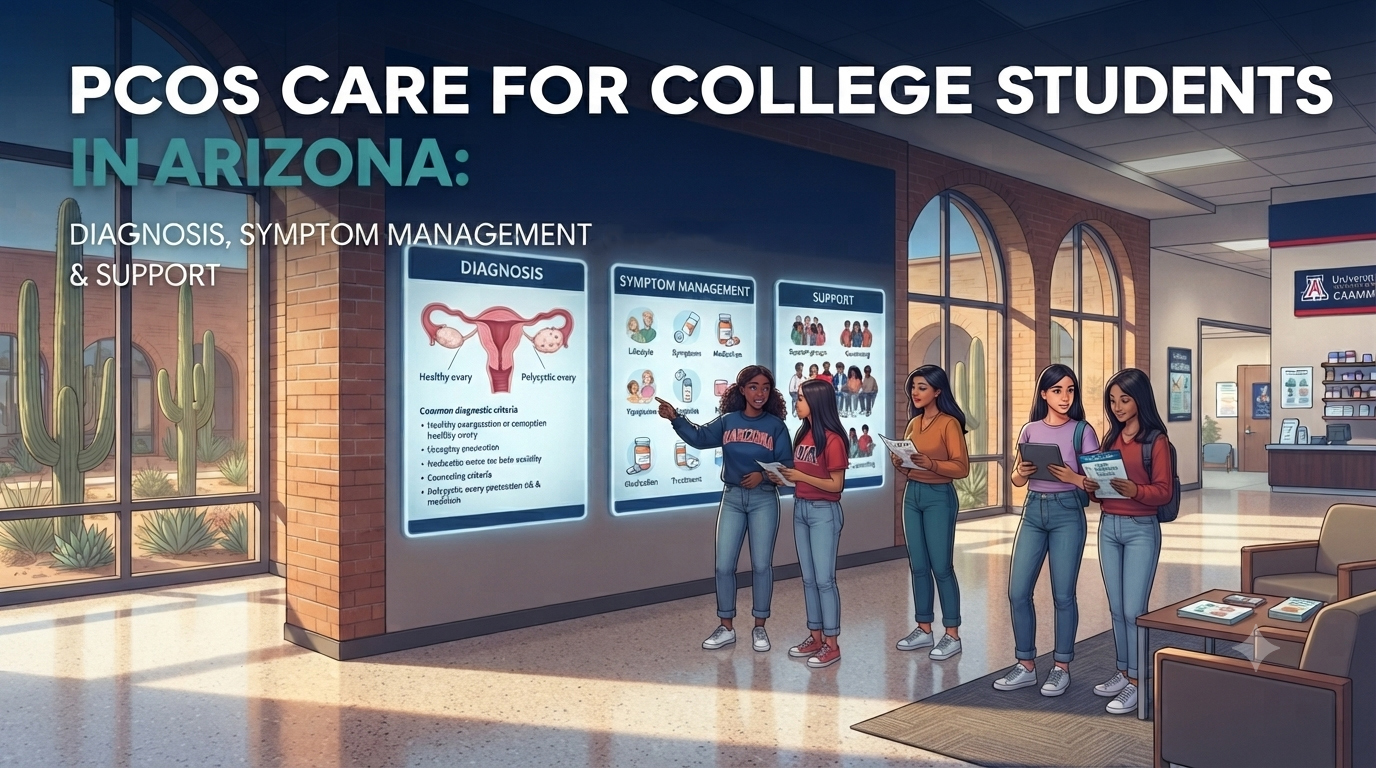
PCOS Treatment in Arizona: A Complete Support Guide for College Students
College is supposed to be a season of growth, new friendships, late-night study sessions, and figuring out who you’re becoming. But for many young women across Arizona’s college campuses, it’s also the season when confusing, frustrating symptoms start to appear—irregular periods, stubborn weight gain, persistent acne, and unwanted hair growth or hair loss. For many students, these symptoms are caused by Polycystic Ovary Syndrome (PCOS). Seeking PCOS treatment in Arizona can help identify the root cause, manage symptoms, and support long-term hormonal health, allowing students to focus on their education and well-being.
If you’re a student in Tempe, Tucson, Phoenix, or anywhere else in Arizona wondering why your body suddenly feels unpredictable, you are far from alone. PCOS affects millions of women in the United States, and it very often begins to show its first signs during the late teens and early twenties — right when students are juggling coursework, part-time jobs, dorm life, and a healthcare system that can feel impossible to navigate on their own.
What Is PCOS in Women? Understanding the Basics
So, what is PCOS in women, exactly? Polycystic Ovary Syndrome is a hormonal condition that affects how the ovaries function. It’s one of the most common endocrine disorders among women of reproductive age, and it typically develops around the time of a woman’s first menstrual cycles, though many don’t receive a diagnosis until years later.
At its core, PCOS involves an imbalance of reproductive hormones. The body may produce higher-than-typical levels of androgens (often called “male hormones,” though every woman produces some naturally), and this imbalance can interfere with ovulation. When ovulation becomes irregular or stops altogether, it can lead to irregular periods, difficulty with fertility down the road, and a cluster of other symptoms that affect the skin, hair, weight, and metabolism.
The name “polycystic” refers to the small, fluid-filled sacs that can develop along the edges of the ovaries in some women with the condition. It’s worth noting, though, that not every woman with PCOS has ovarian cysts, and having ovarian cysts alone doesn’t necessarily mean a woman has PCOS. This is one of the more misunderstood aspects of the condition, and it’s part of why proper diagnosis by a qualified provider matters so much.
PCOS doesn’t look the same in every woman. Some experience severe, obvious symptoms early on. Others have a milder presentation that goes unnoticed for years, sometimes only surfacing when they struggle to conceive later in life. This variability is exactly why awareness among college-age women is so important — the earlier PCOS is identified, the earlier it can be managed, and the better the long-term outcomes tend to be.
What Are the First Signs of PCOS? Early Warning Signals Every Student Should Know
One of the most common questions we hear is: what are the first signs of PCOS? Because symptoms often begin around puberty, many young women simply assume their experience is “normal” without ever comparing notes with a healthcare provider. Here are the earliest and most common signs to pay attention to.
Irregular or Absent Periods
This is often the first and most noticeable sign. A typical menstrual cycle runs somewhere between 21 and 35 days. Women with PCOS may have cycles that are much longer, unpredictable from month to month, or that disappear for months at a time. Some students mistake this for “just having an irregular body” without realizing it may point to a hormonal imbalance.
Excess Hair Growth (Hirsutism)
Elevated androgen levels can cause coarse, dark hair to grow in places where women typically don’t have much hair — the chin, upper lip, chest, or lower abdomen. This can be one of the more emotionally difficult symptoms for college students to deal with, especially in social settings.
Persistent Acne
While breakouts are common at any age, PCOS-related acne tends to be more stubborn, often appearing along the jawline, chin, and lower face, and it frequently doesn’t respond well to typical over-the-counter treatments because the root cause is hormonal rather than purely topical.
Unexplained Weight Gain or Difficulty Losing Weight
Many students notice weight creeping on despite no major change in diet or activity level, or they find that weight loss efforts that used to work no longer seem to make a difference. This is closely tied to the insulin resistance that frequently accompanies PCOS.
Thinning Hair on the Scalp
While excess hair may grow on the face and body, some women simultaneously experience thinning hair or noticeable hair loss at the crown of the scalp — a pattern sometimes called androgenic alopecia.
Skin Changes
Dark, velvety patches of skin (called acanthosis nigricans) may appear around the neck, armpits, or under the breasts. This is often a visible sign of insulin resistance and is worth mentioning to a provider even if it seems minor.
Mood Changes
Hormonal fluctuations associated with PCOS have been linked to higher rates of anxiety and low mood in affected women. For college students already managing academic stress, this layer of hormonal disruption can make things feel even more overwhelming.
If a student is noticing two or more of these signs together — particularly irregular periods paired with acne, excess hair growth, or weight changes — it’s a strong signal to schedule an evaluation rather than waiting it out.
PCOS Symptoms and Treatment: What Comes After Diagnosis
Understanding PCOS symptoms and treatment options is the next step once a student suspects something is off. Diagnosis typically involves a combination of a detailed medical history, a physical exam, blood work to evaluate hormone levels, and sometimes an ultrasound to check the ovaries. Providers generally look for at least two of three key criteria: irregular ovulation, elevated androgen levels, and the presence of ovarian cysts.
Common PCOS Symptoms at a Glance
- Irregular, infrequent, or prolonged menstrual cycles
- Excess facial or body hair growth
- Persistent hormonal acne
- Scalp hair thinning
- Weight gain, particularly around the abdomen
- Skin tags or darkened skin patches
- Fatigue
- Difficulty concentrating
- Sleep disturbances, including sleep apnea in some cases
- Fertility challenges (a concern for the future, even if it doesn’t feel relevant during college)
Treatment Approaches
There’s no single “cure” for PCOS, but there are effective, well-researched ways to manage the symptoms and reduce long-term health risks. Treatment is usually tailored to the individual, based on which symptoms are most disruptive and what the patient’s goals are.
Hormonal Birth Control: For many students, combined hormonal contraceptives are a first-line option. They help regulate the menstrual cycle, reduce acne, and lower excess androgen levels, which in turn can reduce unwanted hair growth over time.
Anti-Androgen Medications: These can be used to target symptoms like excess hair growth and hair loss more directly, often in combination with other treatments.
Insulin-Sensitizing Medications: Because insulin resistance plays such a large role in PCOS for many women, medications that improve the body’s response to insulin are frequently part of a treatment plan. These can also support weight management efforts.
Lifestyle and Nutritional Adjustments: Diet, exercise, and sleep all play a meaningful role in managing PCOS symptoms, and a good provider will work with a student to build a realistic plan rather than a generic one-size-fits-all approach.
Mental Health Support: Given the link between PCOS and mood changes, addressing the emotional side of the condition is just as important as addressing the physical symptoms. This might include counseling referrals or ongoing conversations with a provider who takes the whole picture seriously.
Ongoing Monitoring: PCOS is a long-term condition, which means periodic check-ins matter. Blood pressure, blood sugar, and cholesterol should be monitored regularly, since PCOS is associated with a higher long-term risk of type 2 diabetes and cardiovascular issues.
The right treatment plan looks different for every student, which is exactly why working with a provider who takes time to listen — rather than rushing through a checklist — makes such a meaningful difference.
How to Lose Weight with PCOS: Realistic Strategies That Actually Work
Few questions come up more often than how to lose weight with PCOS. It’s also one of the most frustrating parts of the condition, because insulin resistance can make traditional “eat less, move more” advice far less effective than it would be for someone without PCOS. Here’s what tends to actually help.
Focus on Blood Sugar Stability, Not Just Calories
Because insulin resistance is often at the root of PCOS-related weight struggles, meals that stabilize blood sugar tend to make a bigger difference than simply cutting calories. This generally means prioritizing protein, fiber, and healthy fats at each meal, and pairing carbohydrates with protein rather than eating them alone.
Strength Training Over Cardio-Only Routines
While cardiovascular exercise has its place, building muscle through resistance training can improve insulin sensitivity in a way that steady-state cardio alone often doesn’t. For busy students, even two to three short strength sessions a week can make a measurable difference over time.
Prioritize Sleep
Poor sleep worsens insulin resistance and increases cravings for high-sugar, high-carb foods — a tough combination for a student pulling late nights before exams. Protecting sleep isn’t just about feeling rested; it’s a genuine piece of the metabolic puzzle.
Manage Stress Intentionally
Cortisol, the body’s primary stress hormone, can interfere with insulin function and make weight loss more difficult. College life is inherently stressful, so building in small, consistent stress-management habits — even short daily walks or breathing exercises — can support weight goals more than most students expect.
Consider Medical Support
For some students, lifestyle changes alone aren’t enough, and that’s not a personal failure — it’s biology. Medications that improve insulin sensitivity, along with medically supervised weight loss programs, can be an appropriate and effective part of a treatment plan when guided by a provider who understands PCOS specifically.
Be Patient With the Process
Weight loss with PCOS tends to happen more slowly and less predictably than typical advice suggests. Working with a provider to track progress through more than just the scale — including energy levels, cycle regularity, and skin changes — often paints a more accurate and encouraging picture of what’s working.
Why College Students Face Unique Challenges With PCOS
College life creates a specific set of obstacles that make managing PCOS more complicated than it might be for someone with a more established routine and support system.
Unpredictable Schedules: Classes, labs, part-time jobs, and social commitments can make it difficult to keep consistent meal times, sleep schedules, or medication routines — all of which matter for managing PCOS symptoms.
Limited Access to Familiar Healthcare: Many students are away from their hometown doctors for the first time and haven’t yet established care with a new provider, which can lead to symptoms going unaddressed for months or even years.
Financial Constraints: Traditional healthcare, especially with insurance navigation, referrals, and specialist wait times, can feel out of reach for a student budget.
Campus Health Center Limitations: Many university health centers are excellent for acute issues like colds or minor injuries but aren’t always equipped to provide ongoing, specialized management of a hormonal condition like PCOS.
Social and Emotional Pressure: Symptoms like acne, weight changes, and excess hair growth can affect self-esteem during a period of life already filled with social pressure, making emotional support an important part of care.
This is exactly the gap that a concierge-style medical model can fill — one that meets students where they are, both physically and logistically.
PCOS Symptoms and Treatment in Arizona: A Local Perspective
Arizona is home to a large and growing population of college students, spread across major universities and community colleges in Phoenix, Tempe, Tucson, Flagstaff, and beyond. For students managing PCOS symptoms and treatment in Arizona, the desert climate, active outdoor culture, and academic intensity of Arizona’s universities create their own unique considerations.
Heat and dehydration, for instance, can worsen fatigue and skin symptoms already associated with PCOS. Arizona’s active lifestyle culture — hiking, outdoor fitness classes, intramural sports — can be a genuine asset for students working on insulin sensitivity through movement, but it also means providers need to account for hydration, sun exposure, and activity level when building a treatment plan.
Access is another local factor. Between Arizona State University, University of Arizona, Grand Canyon University, Northern Arizona University, and the state’s many community colleges, there are tens of thousands of students who may not have an established relationship with a local physician. Traditional appointment wait times at busy Arizona clinics can stretch for weeks, which isn’t practical when a student is dealing with disruptive, ongoing symptoms.
This is where a model built specifically for students — with fast response times, telemedicine options, and providers who understand campus life — makes a real difference in how effectively PCOS can be managed throughout the school year.
Finding a PCOS Specialist Near Me: What Arizona Students Should Look For
When searching for a PCOS specialist near me, it helps to know what actually separates a good fit from a frustrating experience. Not every provider approaches PCOS the same way, and the right specialist can make the difference between years of guesswork and a clear, manageable plan.
Look for Someone Who Listens First
PCOS symptoms vary widely from person to person, so a provider who takes a full history — rather than jumping straight to a prescription — is more likely to build a plan that actually fits the individual.
Prioritize Accessibility
For a student, a specialist who offers telemedicine, fast response times, and flexible scheduling around classes is far more useful than one with excellent credentials but a six-week waitlist.
Ask About a Whole-Person Approach
Because PCOS touches hormones, metabolism, skin, mental health, and fertility, a provider who considers the full picture — not just the most visible symptom — tends to deliver better long-term outcomes.
Consider Ongoing Relationship, Not Just a One-Time Visit
PCOS is a long-term condition. A provider who’s available for follow-up questions, adjustments to treatment, and periodic check-ins offers more value than a single appointment ever could.
Transparency Around Cost
Especially for students without robust insurance coverage, clear, upfront pricing for visits and services matters enormously when deciding where to seek care.
PCOS Specialist in Arizona: Why College Concierge Medical Is Built for Students
For students searching for a trustworthy PCOS specialist in Arizona, College Concierge Medical was created with exactly this population in mind — young adults navigating health concerns for the first time, often far from home, and juggling a schedule that doesn’t leave room for long waits or complicated referral chains.
Meet Dr. Don Selvey
At the center of College Concierge Medical’s approach is Dr. Don Selvey, whose background reflects a rare combination of clinical training and public health expertise. Dr. Selvey graduated from Sonoran University of Health Sciences in Tempe, Arizona, after first earning an undergraduate degree in Biology from Arizona State University and a graduate degree in physiology, also from Arizona State, where his research focused on Alzheimer’s disease and other forms of dementia.
Before entering direct patient care, Dr. Selvey trained with the CDC and worked as an epidemiologist with the Arizona Department of Health Services, where he specialized first in infectious diseases and later in environmental medicine. During this period, he also taught public health courses and published research in medical journals — an experience that shaped a deeply evidence-based, population-level understanding of health that carries directly into how he treats individual patients today.
Dr. Selvey later moved into the medical products industry, conducting clinical and non-clinical research to support FDA and international product approvals. That depth of research experience, paired with real-world clinical training grounded right here in Arizona, gives College Concierge Medical’s patients a provider who understands both the science behind a condition like PCOS and the practical realities of managing it day to day.
A Different Kind of Medical Model
College Concierge Medical operates on a fee-for-service basis, without the need for health insurance, which removes one of the biggest barriers students face when trying to get timely care. Patients have access to a medical professional 24/7, and every subscriber can expect a call to be answered directly by a College Concierge Medical representative — or, if a message is left, a return call within 30 minutes or less. A medical provider follows up with the subscriber as soon as practicable, generally within 60 minutes, and visits are arranged as quickly as possible after that.
This kind of responsiveness matters enormously for a student managing symptoms like irregular cycles, persistent acne, or the emotional toll of a condition like PCOS — problems that don’t always wait for a convenient appointment slot weeks down the line.
What a Typical Visit Includes
When a student comes in with concerns that might point to PCOS, a College Concierge Medical visit typically includes a detailed history of current symptoms, including how long they’ve been present and how they’ve changed over time, along with an appropriate physical examination. If lab work or imaging is needed to confirm a PCOS diagnosis or evaluate hormone levels, that can be arranged, and those services may be covered separately by insurance even though the visit itself is not.
Beyond Urgent Care: Additional Services That Support PCOS Management
Because PCOS treatment often involves more than a single prescription, College Concierge Medical also offers several additional services that can play a meaningful role in a student’s overall plan, including nutritional IVs, medically guided weight loss programs, and ongoing management support. These services can complement a broader PCOS treatment strategy, particularly for students working on the insulin resistance and weight-related symptoms that so often accompany the condition.
As Dr. Selvey’s philosophy puts it, the responsibility of a physician isn’t simply to treat illness after it becomes severe, but to help restore and maintain genuine health. College Concierge Medical isn’t equipped to replace an emergency room — there’s no MRI or CT machine on-site, and a true surgical emergency like appendicitis still requires a hospital. But for the vast majority of what a college student actually experiences day to day, from chest congestion that might be asthma, to a urinary tract infection, to the hormonal symptoms associated with PCOS, College Concierge Medical is built to diagnose, treat, and guide the next step clearly and quickly.
Transparent, Student-Friendly Pricing
House call visits with College Concierge Medical range from $150 to $300, with payment accepted via Zelle. This transparent, insurance-free pricing model means students always know what to expect before they book a visit — no surprise bills, no confusing insurance codes, and no waiting weeks to find out what a visit will actually cost.
Building Long-Term Habits That Support Hormonal Health
Managing PCOS successfully during college isn’t just about a single appointment or a single prescription — it’s about building small, sustainable habits that support hormonal balance over the long run, even amid the chaos of exam weeks and social schedules.
Consistent Meal Timing: Skipping meals between classes and then eating a large dinner can worsen blood sugar swings. Keeping a few easy, protein-forward snacks on hand — like nuts, Greek yogurt, or hard-boiled eggs — can help maintain steadier energy and hormone balance throughout the day.
Movement That Fits a Student Schedule: Not every student has time for an hour at the gym. Short walks between classes, a quick bodyweight routine in a dorm room, or joining a campus intramural league can all contribute meaningfully to insulin sensitivity without requiring a complete lifestyle overhaul.
Tracking Symptoms, Not Just Periods: Using a simple app or journal to track cycle length, energy levels, skin changes, and mood can give both the student and their provider valuable information to fine-tune a treatment plan over time.
Building a Support Network: Whether it’s a roommate, a campus counselor, or a provider who’s easy to reach, having someone to talk to about the emotional side of a PCOS diagnosis can make an enormous difference in how manageable the condition feels day to day.
Staying Consistent With Follow-Up Care: PCOS treatment plans often need adjustments over time as symptoms evolve. Students who stay engaged with regular check-ins tend to see better results than those who only seek care when symptoms become severe.
The Emotional Side of a PCOS Diagnosis
It’s worth acknowledging directly: receiving a PCOS diagnosis, or even just recognizing the symptoms, can bring up a lot of emotion. Body image concerns tied to acne, weight, or hair growth are common, and so is anxiety about future fertility, even for students who aren’t thinking about starting a family anytime soon. A provider who takes time to ask how a student is coping — not just what symptoms they’re experiencing — tends to build the kind of trust that makes ongoing management far more effective.
FAQs About PCOS for College Students
Q: Can PCOS go away on its own?
A: PCOS is a chronic condition, meaning it doesn’t simply resolve without management. However, with the right treatment plan, symptoms can be significantly reduced and controlled over time.
Q: Do I need to see a specialist, or can a general provider help?
A: Many cases of PCOS can be effectively managed by a knowledgeable general provider, especially one experienced in treating young women. More complex cases, particularly those involving fertility concerns, may eventually benefit from a referral to an endocrinologist or reproductive specialist.
Q: How quickly can I get evaluated at College Concierge Medical?
A: Because the practice operates on a 24/7 availability model with rapid callback times, students can typically be evaluated far faster than through a traditional clinic or campus health center waitlist.
Taking the Next Step
College Concierge Medical was built for exactly this moment — fast access, a physician with a genuinely research-driven background, and a model designed around the unpredictable rhythms of student life. Whether you’re looking for a PCOS specialist near Arizona to finally turn into an actual appointment, or you simply have questions about what your symptoms might mean, reaching out is the first step toward getting real answers.